Formula 1 is about to undergo its most dramatic transformation in history. With radically different cars, revolutionary new engines, fresh manufacturers entering the fray, and a host of technical changes, 2026 promises to shake up the competitive order like never before. Buckle up as we dive into every detail of F1’s brave new world.
New Hybrid Engines: Not Quite 50/50
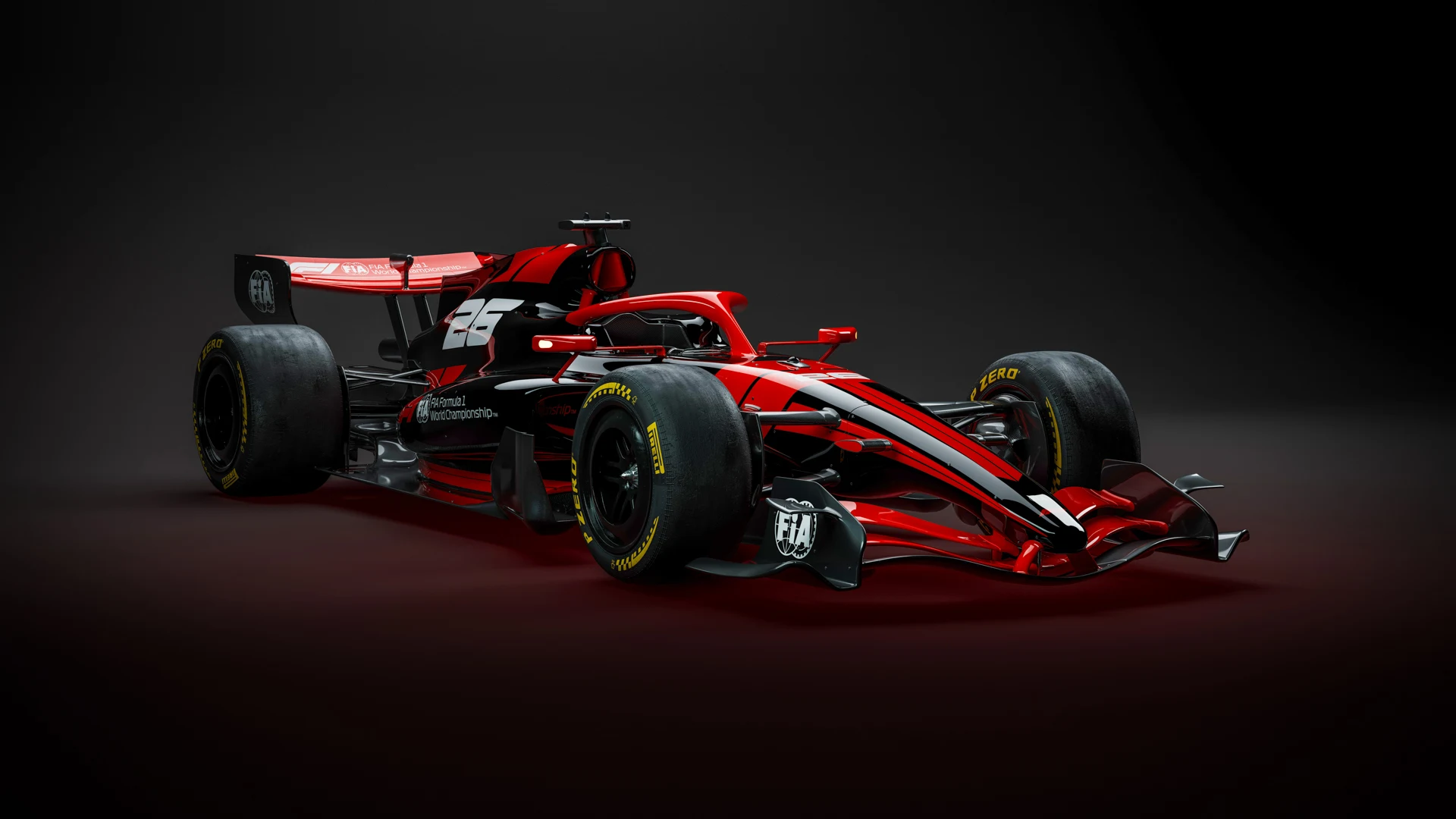
F1 and the FIA are marketing the 2026 power units as a perfect 50/50 split between internal combustion and electric power. The reality? It’s closer to 47% electric at best. Here’s how the numbers break down:
Electric Power: 350 kW (~470 bhp)
V6 Power: 400 kW (~536 bhp)
Total Brake Horsepower: 1000+
Battery Power Increase: 300%
That electric split represents a massive jump from the original V6 turbo hybrids, achieved despite removing the MGU-H (Motor Generator Unit-Heat), which recovered thermal energy from the turbocharger. Some manufacturers are already finding clever ways to exploit combustion ratio rules, potentially pushing the balance even further toward traditional power.
The Energy Question
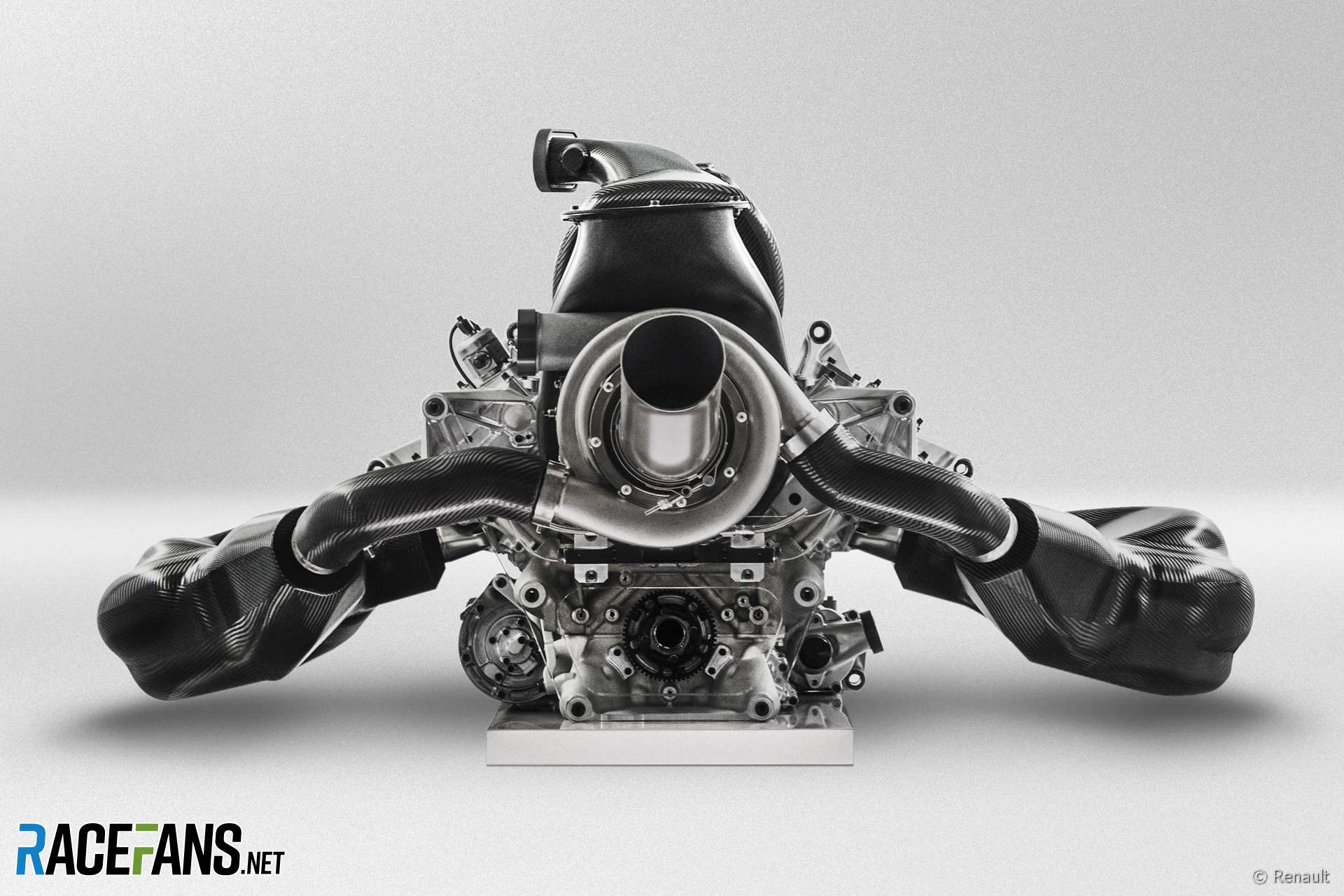
Mercedes technical director James Allison describes the 2026 engine as a “fearsome beauty” at 100% capacity. But the million-dollar question is: how energy-starved will cars become during races? The unknowns include how much battery recharging will be possible, what it takes to achieve it, and whether some cars will end up completely energy-depleted and defenseless on track.
Goodbye DRS, Hello Overtake Mode
The drag reduction system is out, replaced by a new engine-based overtaking aid. Previously dubbed “manual override mode,” it’s now simply called overtake mode. Here’s how it works:
In normal operation, engines gradually reduce electric power output from 350 kW on the straights. But if a driver is within one second of another car at designated detection zones, they can activate overtake mode to maintain full 350 kW deployment longer on one or more straights per lap. The power continues until 337 km/h, then tapers off, stopping completely at 355 km/h.
This differs from “boost,” which refers to regular battery deployment that drivers can use anywhere on track for attack or defense. Instead of “harvesting” or “regen,” F1 wants to simplify the language by calling it “charging,” which becomes crucial since engines must sometimes act as generators for the battery through lifting and coasting, braking, or revving in corners.
The Cars: Smaller, Lighter, Faster
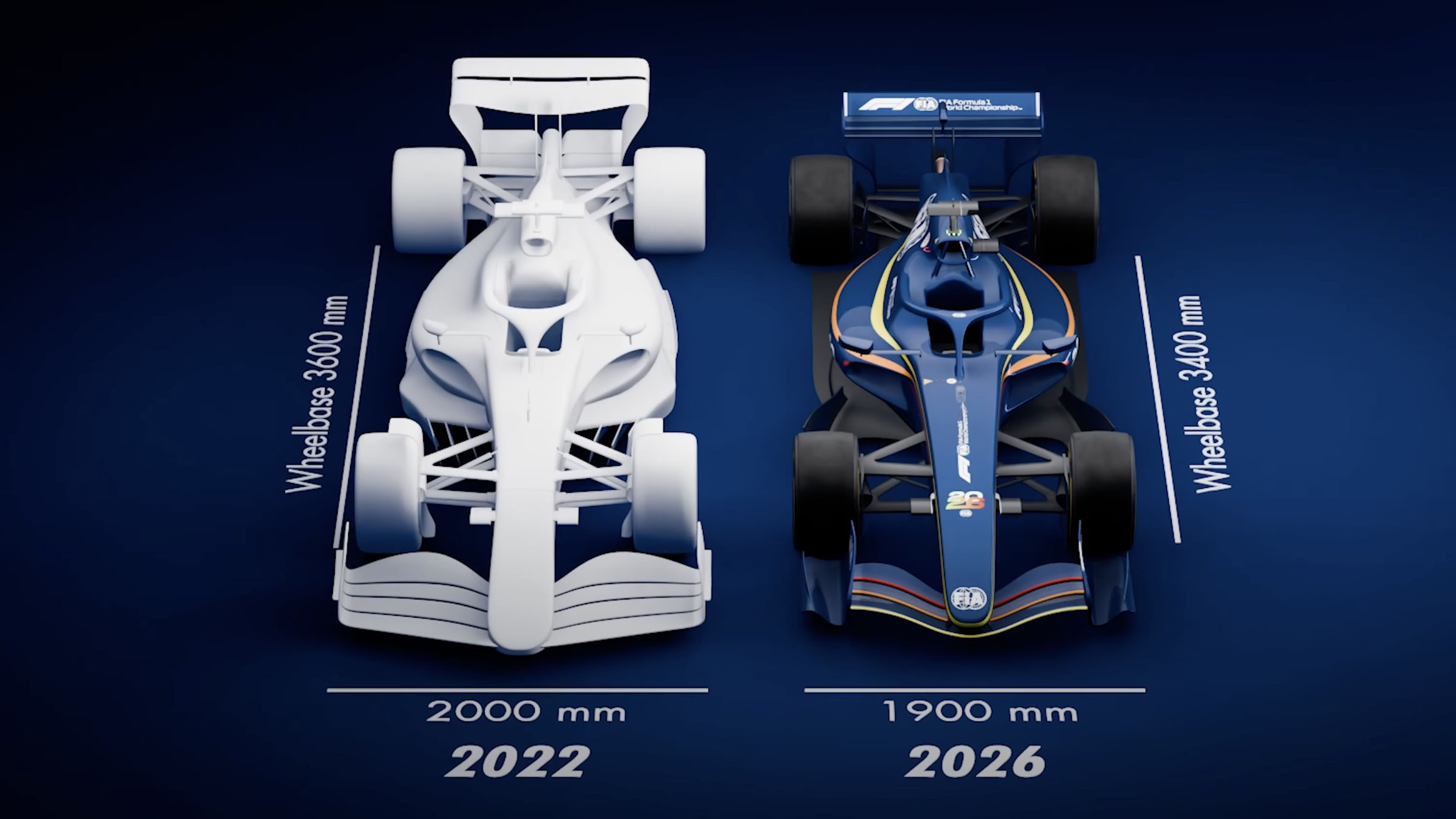
After years of complaints about oversized, overweight machines, F1 is finally addressing two of drivers’ biggest frustrations. The 2026 cars will be more nimble and easier to race:
200mm Shorter
100mm Narrower
~30kg Weight Reduction
~770kg Total Weight (with tires)
The minimum weight limit is 724 kg plus nominal tire mass, with driver mass plus ballast required to be at least 82 kg. That weight reduction ends a long streak of F1 cars only getting heavier. However, teams may struggle to hit these minimums initially.
Safety remains uncompromised, with beefed-up crash tests and a visible new addition: warning lights on rear-view mirrors for low visibility conditions to prevent side impacts.
The End of Ground Effect (Sort Of)
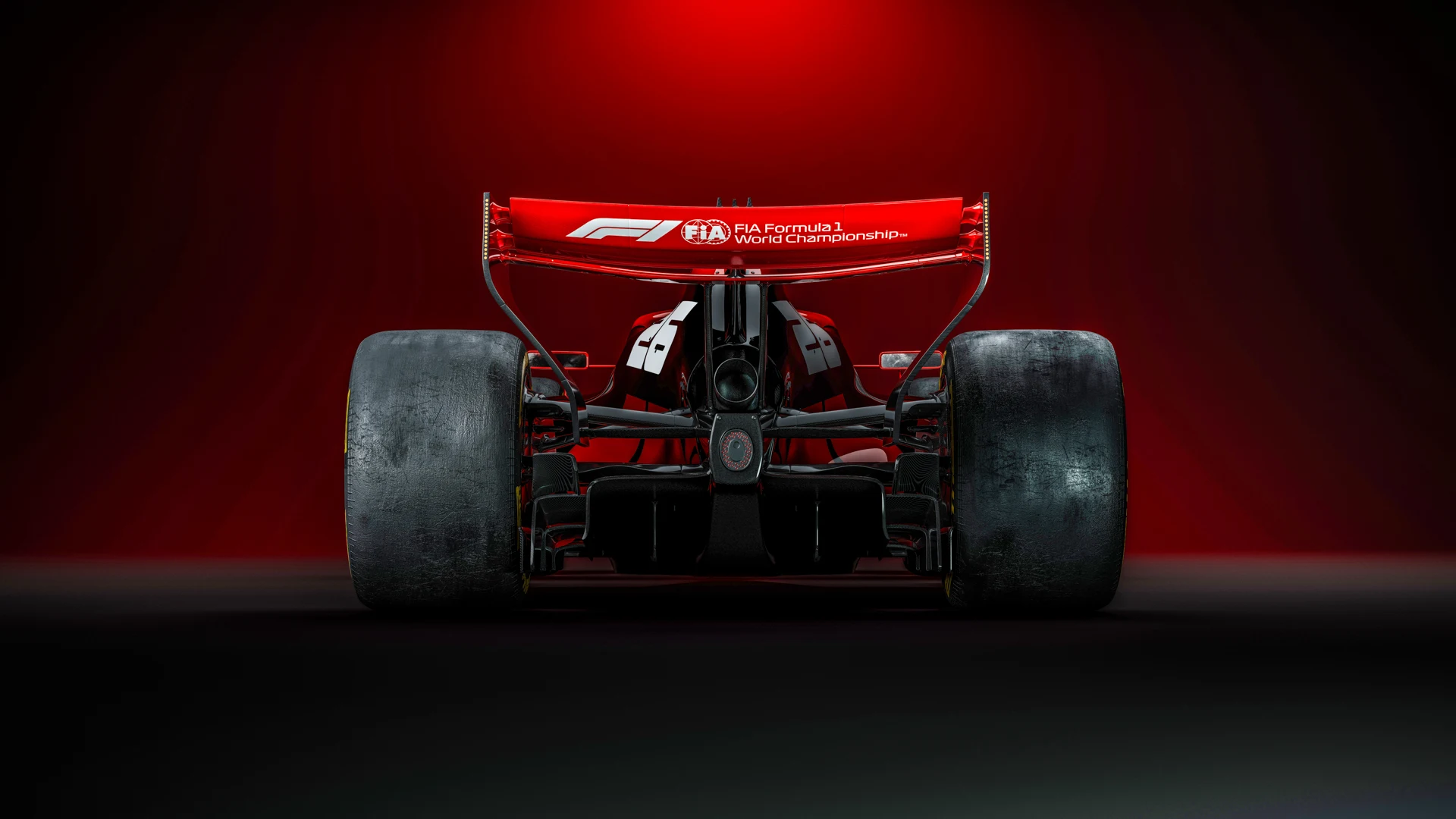
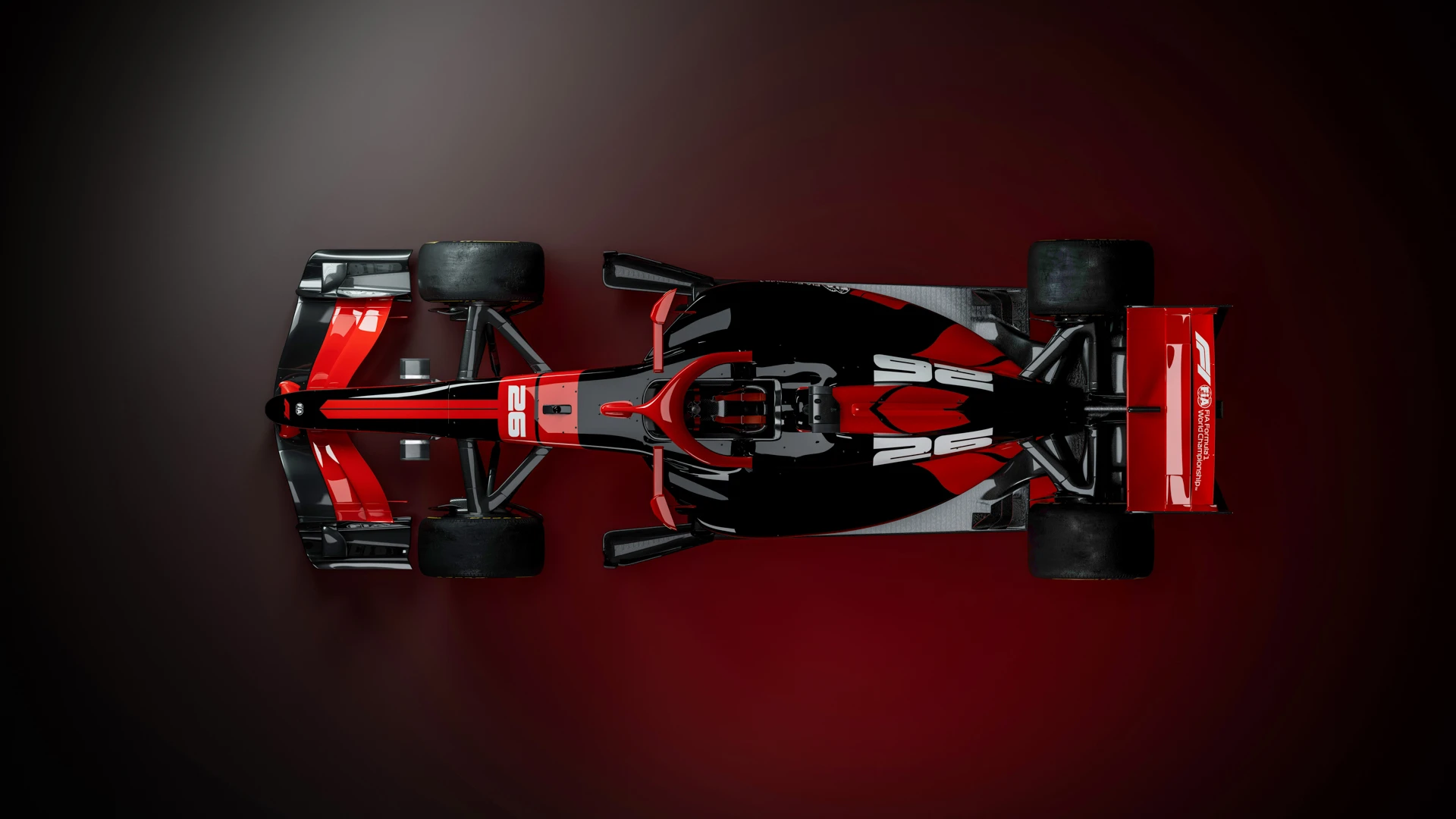
The complicated sculpted Venturi tunnels are gone. Instead, cars return to flatter step-plane floors, now 150mm narrower. Combined with narrower front wings and removal of the beam wing beneath the main rear wing, total downforce drops by up to 30%.
These changes mean less wing area on top and reduced surface area underneath. Add slightly narrower wheels and the removal of front wheel arches, and drag levels plummet significantly. F1 claims up to 40% reduction, while the FIA says up to 55%. Either way, it’s massive.
The performance profile shifts dramatically: cars will be slower through corners but faster on exits and straights. The silver lining? Cars won’t need to run as aggressively low to the ground, opening up setup possibilities and being kinder to drivers’ backs after four punishing years of bone-rattling rides.
Active Aero: The New Normal
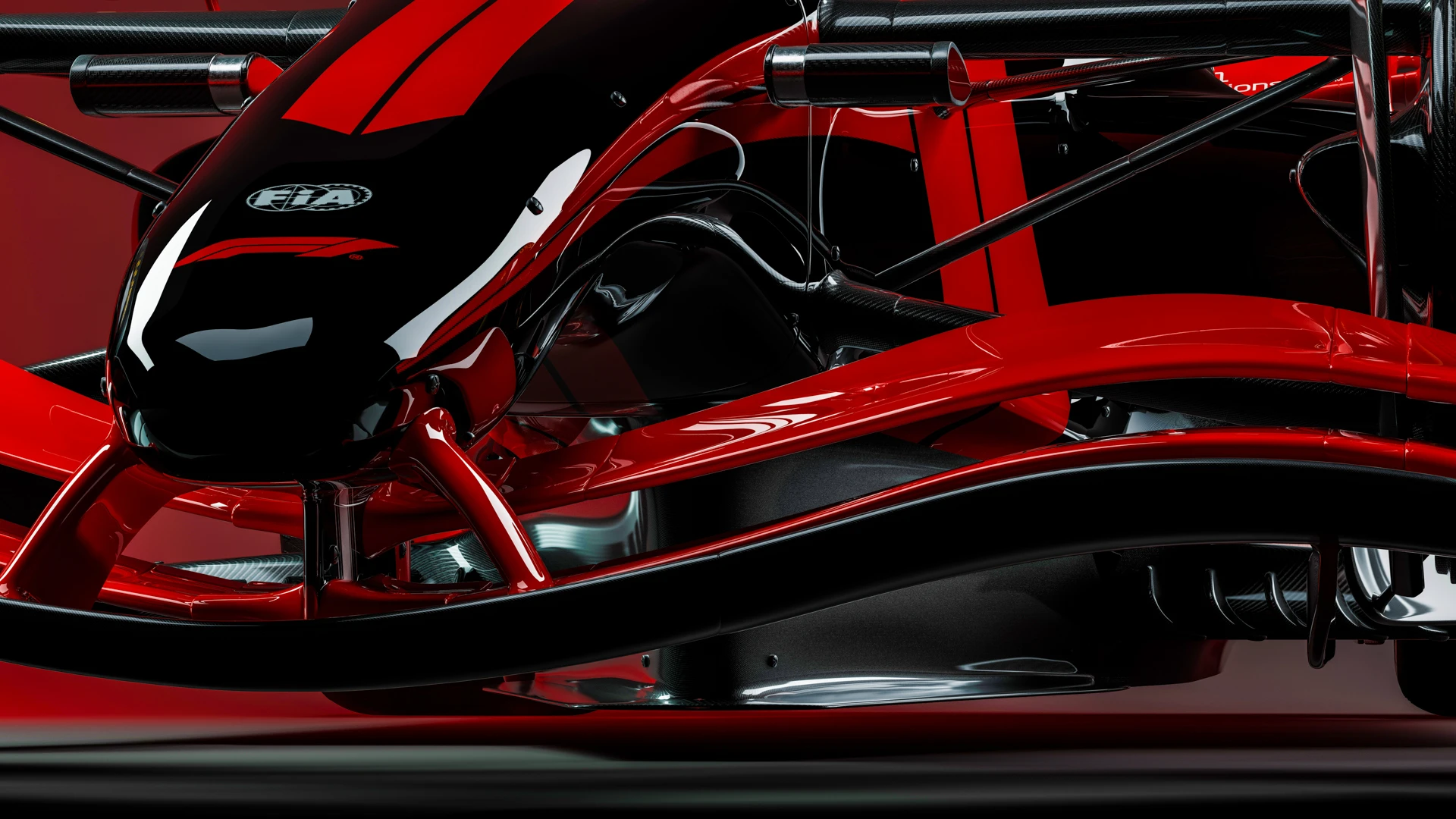
While DRS disappears, movable rear wings remain, just serving a different purpose. Active aero becomes a key feature of F1 2026, involving both front and rear wings in two distinct states:
Corner mode: Wings in normal maximum downforce position
Straight mode: Both wings adjust to reduce drag and minimize energy consumption on straights
Race control sets specific zones around each circuit based on track layout, weather conditions, and race circumstances. While teams may differ slightly in wing levels and downforce management, it’s designed less as a performance differentiator and more as a necessary tool to assist the new engines.
Sustainable Fuels: High Stakes, High Risk
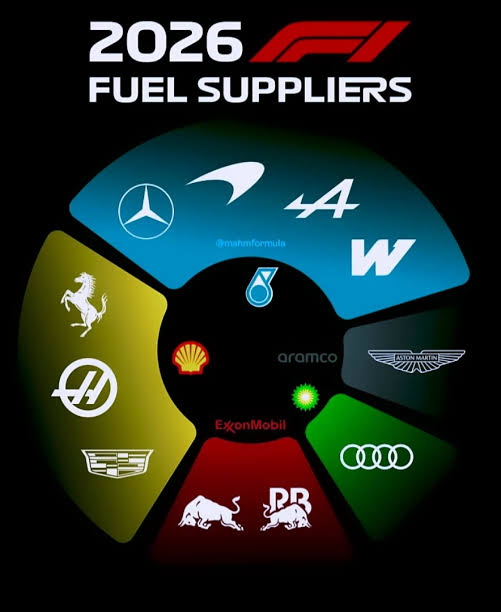
F1 switches to “fully sustainable fuels” in 2026, requiring molecules synthesized from advanced sustainable feedstocks like non-food biomass or waste. The FIA certification extends to the entire supply chain and process.
The Fuel Gamble
Beyond the enormous cost of making these fuels workable, senior team figures describe it as introducing as much risk as potential performance. It’s not just the composition changing but the task it must perform. With the upgraded MGU-K and removed MGU-H, engines function differently, and fuel must maximize that. Williams boss James Vowles admits a major concern is simply not knowing how synthetic fuel will perform, potentially sparking reliability issues.
New Teams and Manufacturers: A Changing Grid
The New Faces
Audi: The German giant enters F1 for the first time in 2026 as Sauber formally rebrands to the Audi Revolute F1 Team, tempted by the new engine regulations.
Ford Returns: The American manufacturer is back as a technical partner to Red Bull Powertrains, though it’s more a commercial arrangement with Red Bull building its first in-house engine.
Honda’s Full Commitment: Honda’s half-hearted withdrawal from F1 officially ends as it switches from Red Bull to become Aston Martin’s new works engine partner, supporting Adrian Newey’s ambitious project.
Cadillac Joins the Party: General Motors co-owned Cadillac expands the grid to 11 teams for the first time in a decade, fielding experienced race winners Valtteri Bottas and Sergio Perez.
Branding Changes
McLaren Mastercard: McLaren adds Mastercard as a title sponsor, its first such arrangement since Vodafone in 2013.
Toyota Returns to Haas: Haas takes on added Toyota branding as TGR Haas F1 Team.
Alpine Goes Mercedes: Renault’s works team era ends as Alpine officially becomes a Mercedes customer.
Cadillac’s Reality Check
While GM and the Cadillac brand can’t easily admit it publicly, private expectations for the new team are low, at least initially. Cadillac will likely be at the back of the grid in 2026, potentially by a significant margin if things go poorly. Don’t expect a repeat of Haas scoring points on debut in 2016—F1 is in a very different state now, and Cadillac operates without the ultra-close Ferrari alliance or Dallara manufacturing outsourcing that Haas enjoyed. The message: it’s not the starting point that matters, but the rate of progress.
The Engine Loophole Controversy
Homologation Headaches
A brewing controversy centers on an engine loophole that could massively impact the pecking order for the entire season. Manufacturers must have specifications homologated by March 1st, with post-homologation upgrades only allowed the following year. This creates enormous pressure to get it right first time.
The Catch-Up Mechanism
There’s hope for underperforming engine makers. A performance index will be created for each manufacturer’s V6 engine, with additional development and upgrade opportunities for those significantly disadvantaged.
The system operates across three periods covering races 1-6, 7-12, and 13-18. At the end of each period, eligible manufacturers can implement upgrades, extend test bench usage, and adjust cost cap spending based on performance gaps:
2-4% behind the best engine: One additional upgrade allowed
More than 4% behind: Two upgrades permitted
Minimal incidental changes for packaging can be made with FIA approval, as can modifications solely for reliability, safety, cost-saving, or supply issues.
Madrid Joins the Calendar
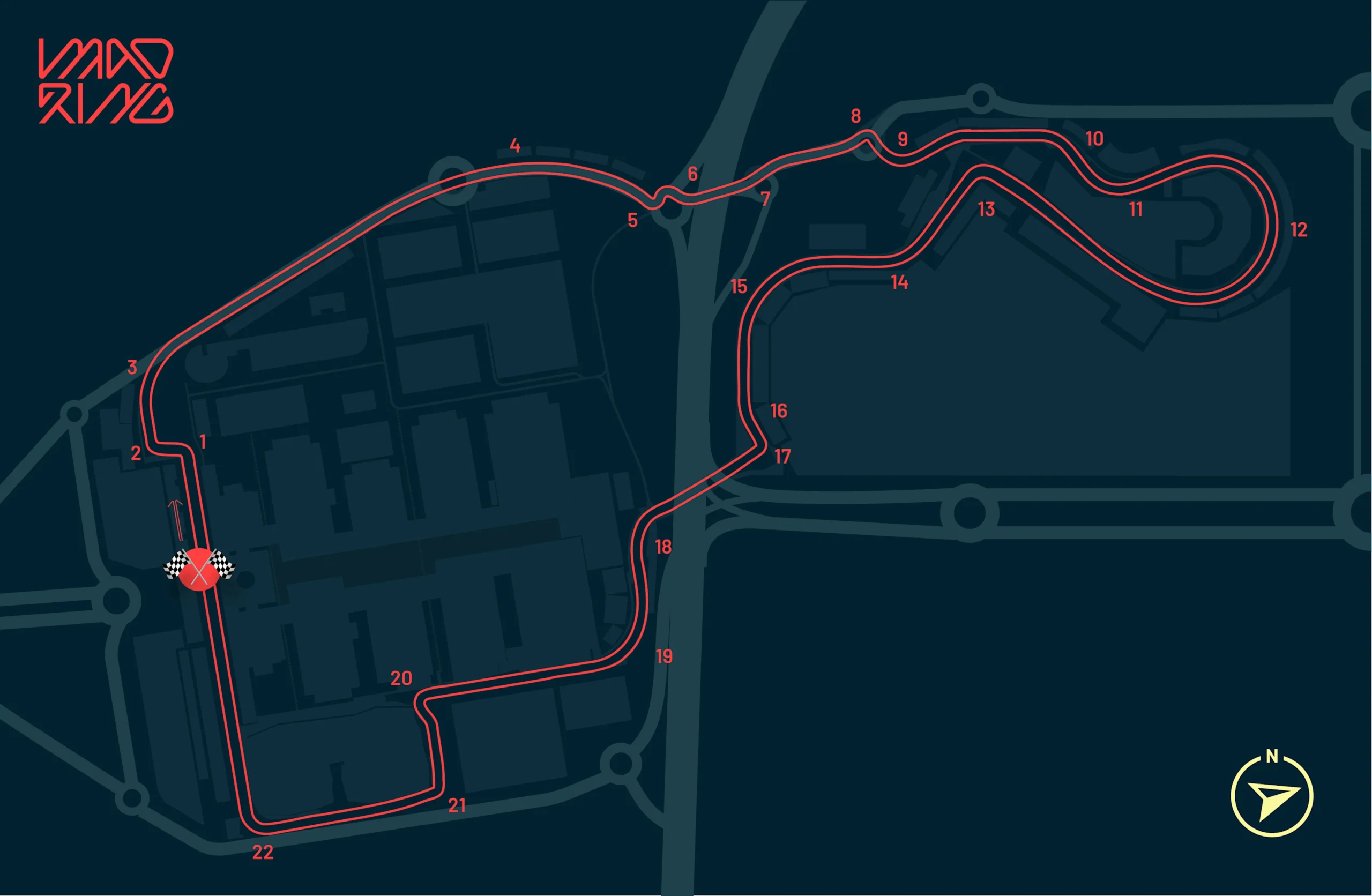
F1 will have two races in Spain in 2026. The new Madrid race won’t be a conventional street circuit but rather a hybrid using what F1 calls “street and non-street sections.” The track runs around an exhibition venue and utilizes local roads, but faces a tight deadline for its planned September debut.
The race has attracted scrutiny, particularly from Italian media (no coincidence given Madrid replaced Imola on the calendar). Suggestions persist that Imola is ready to step in as backup, though F1 and Madrid organizers insist the new race will be ready on time.
Tires and Wheels: Narrower and Faster
Pirelli’s rubber gets a makeover for 2026:
Front Tires: 25mm narrower
Rear Tires: 30mm narrower
Wheel covers disappear, and teams can now design their own wheel rims. New branding appears on tire sidewalls as well.
The critical unknown is tire performance. Despite the size reduction, Pirelli must achieve minimum grip levels—but how good will this be in practice? Will there be significant balance shifts? What kind of graining and thermal degradation will smaller tires suffer given how differently these new cars will perform?
Will Racing Improve?
A major target of previous regulations was improving following and overtaking (something of a failure). For 2026, lessons learned include simplifying front wing endplates, controlling the inside of front brake drums, and narrowing floors to prevent teams creating problematic wake for following cars.
Prescribed wheel bodywork and inwashing wheel wake control boards at the front of sidepods aim to improve airflow passed to cars behind.
The Overtake Mode Concern
One worry is that the new overtake mode proves so powerful and energy levels become so varied that drive-by passes on straights become prevalent. The FIA acknowledges this concern and says it has levers to pull to make overtaking either harder or easier depending on how early races unfold. The first few grands prix of 2026 will be crucial in determining whether these regulations achieve their goal.
The Bottom Line
F1 2026 represents the sport’s biggest gamble in decades. With revolutionary engines, dramatically different cars, new manufacturers, and untested technologies, nobody truly knows how it will play out. The competitive order could be completely reshuffled, reliability could be a nightmare, and racing quality remains a giant question mark. One thing’s certain: it won’t be boring.